


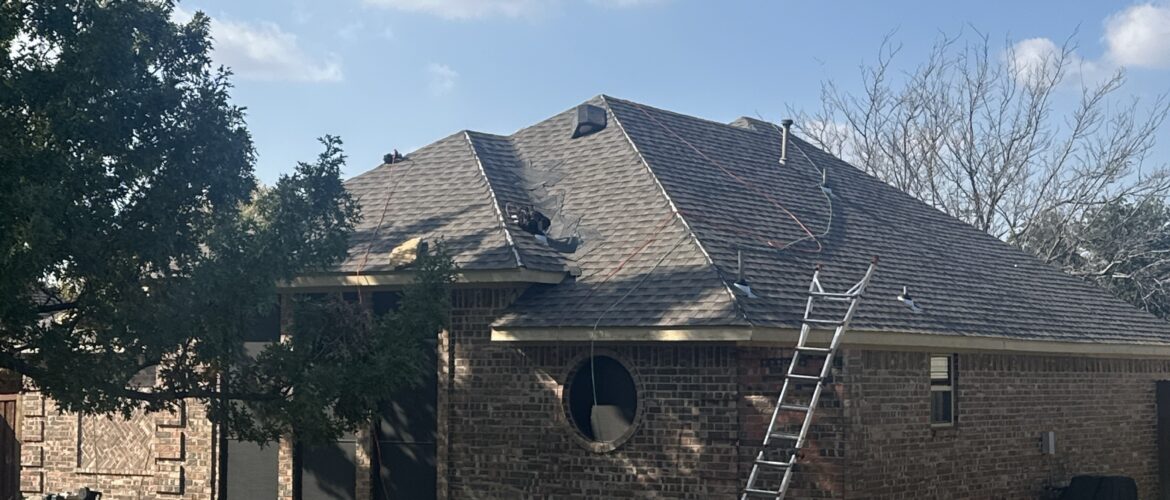
Severe storms are a frequent concern for homeowners across Texas, especially in the Dallas and Houston areas. Roof damage following wind, hail, or heavy rain can be confusing to assess and even more overwhelming when you need to file an insurance claim. Understanding what to look for, how to organize evidence, and how to interact with insurance adjusters may determine how smooth your recovery process is. This guide will help you identify storm damage to your roof, teach you how to properly photo-document your findings, and share best practices when dealing with your insurance company.
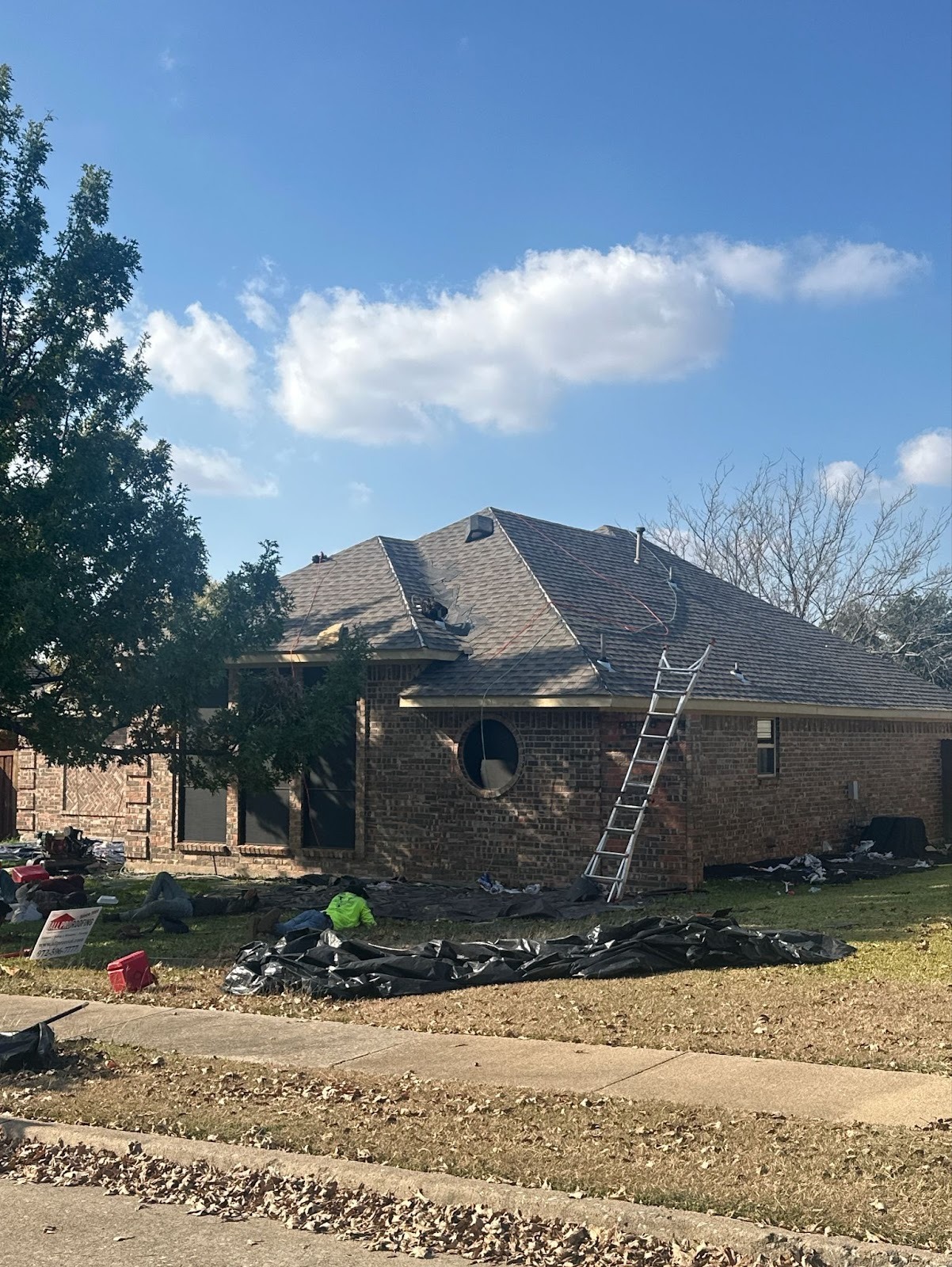
Identifying Roof Storm Damage: Hail vs. Wind
Storms in North Texas can bring both hail and strong winds, each leaving distinct marks on your roofing materials. Knowing what to look for is the first step.
-
Hail damage typically shows as round, dark spots where shingles have lost their granules. You may find dents on metal roofing, gutters, or vents. On asphalt shingles, look for bruises or soft spots that yield under gentle pressure.
-
Wind damage often results in lifted, curled, missing, or creased shingles. Pay close attention to ridges, edges, and roof corners, as these are the most vulnerable spots. If you spot shingles on the ground or in your yard, they likely blew off the roof.
If you are not comfortable climbing onto the roof, use binoculars or call a local roofing storm damage repair professional for a safe inspection.
Documenting Storm Damage: The Right Way to Photograph
Proper documentation is crucial for successful insurance claims. Insurance adjusters require thorough visual evidence to validate damage and process your compensation.
-
Take wide shots, capturing the entire affected area for context.
-
Take close-up photos to highlight detail, such as missing granules or torn shingles.
-
Snap pictures of any collateral damage to gutters, downspouts, siding, windows, and outdoor AC units.
-
Make sure every photo is timestamped, if possible. This helps establish that the images were taken right after the storm.
-
Supplement photos with written notes. Note the date and time of the storm, as well as any relevant weather details.
Keep all documentation in a dedicated digital folder for easy sharing and backup.
Tips for Working with Insurance Adjusters
Successfully filing a storm damage claim in storm-prone regions like Dallas and Houston often depends on how well prepared you are when meeting your insurance adjuster.
-
Contact your insurance company promptly, and clarify what damages are covered.
-
Provide your photos, notes, and any communications with local weather services.
-
If possible, have your trusted roof inspection contractor present when the adjuster visits. This ensures that all damage is acknowledged and explained.
-
Do not begin permanent repairs until after the insurance review is complete, unless it is for safety reasons. Temporary repairs, such as tarping or boarding-up, are usually permitted and should be documented as well.
-
Always get repair estimates in writing and only from licensed professionals.
Having a knowledgeable roof replacement contractor can streamline this process and ensure your claim is both fair and complete.
Need Help with Storm Roof Damage or Filing a Claim? Contact All Pro Roofing of Greenville, TX Today
Don’t let storm damage linger and put your home at further risk. If you suspect you have roof damage after a recent storm, reach out to All Pro Roofing of Greenville, TX. The All Pro team is experienced with storm restoration, insurance claim documentation, and offers free consultations in the Dallas and Houston regions. Call 972.627.4348 if you’re in the DFW area, 713.234.0235 if you’re in the Houston area, or fill out our online form to request a FREE estimate.