


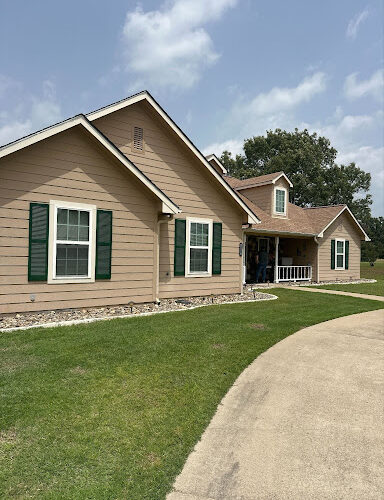
Summer heat in Texas is no small inconvenience, and for homeowners, the type of roof installed plays a crucial role in managing energy bills during the hottest months of the year. When selecting or upgrading a roof, materials, color, and ventilation are some of the key factors that directly influence heat absorption and cooling costs. Understanding how they work can help homeowners make more informed decisions about roofing, resulting in lower HVAC expenses and a more energy-efficient home.
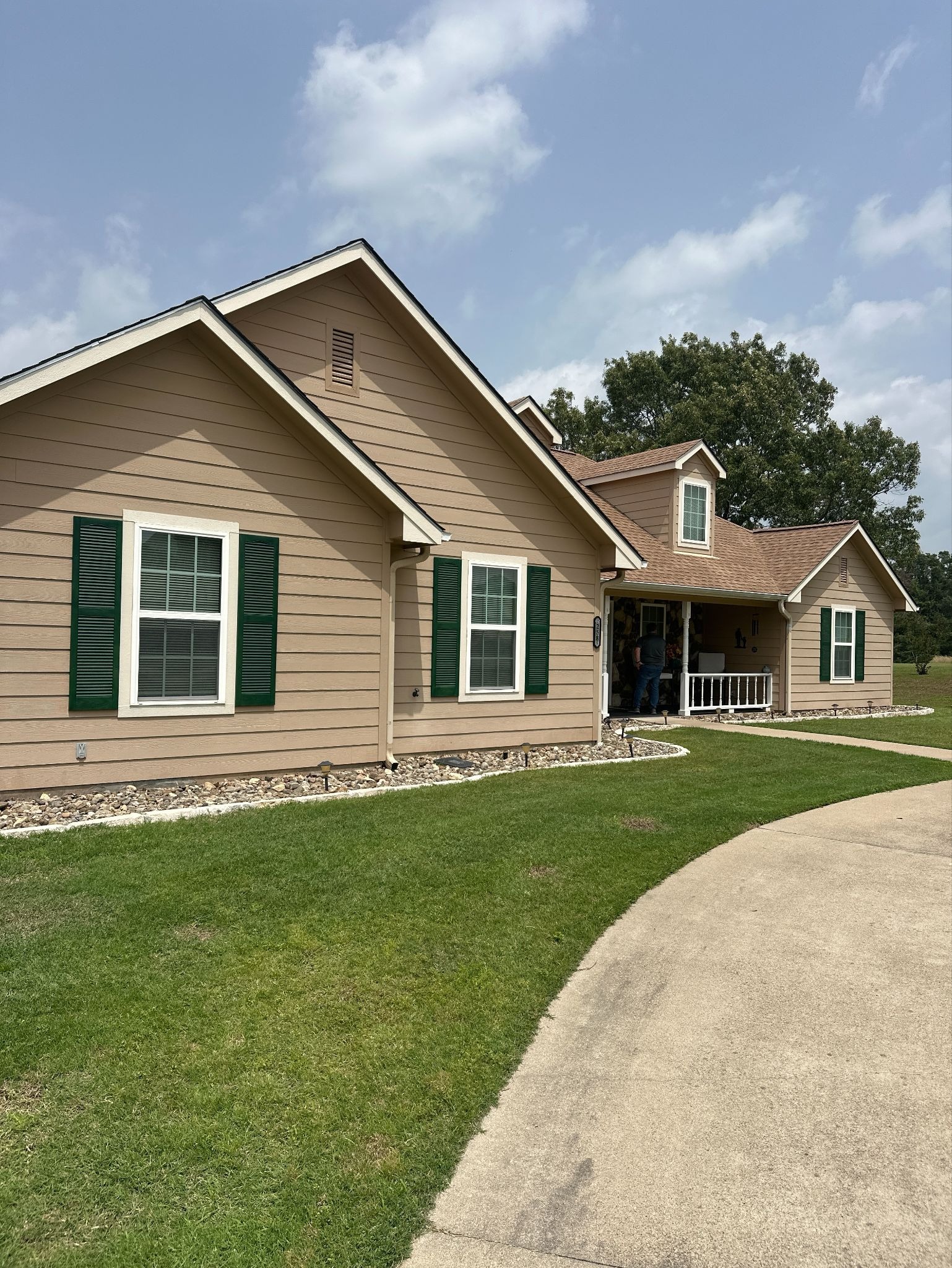
The Influence of Roofing Materials on Energy Efficiency
Different roofing materials have unique thermal properties. Asphalt shingles, a common choice for many homes, can absorb a significant amount of solar heat, often raising attic temperatures. In contrast, metal roofing is known for reflecting more sunlight and releasing absorbed heat more quickly, making it inherently cooler. Modern residential roofing products, such as architectural shingles with advanced reflective granules or energy-efficient coatings, can also minimize heat absorption. Tile roofs, especially those made of clay or concrete, provide natural thermal barriers that help keep interior spaces cooler. For homeowners considering a new roof, consulting a professional about these material options can result in substantial energy savings over time.
Color Matters: How Roof Color Affects Cooling Costs
The color of your roofing plays an often-underestimated role in energy efficiency. Dark colors, like traditional black or deep gray shingles, absorb more sunlight and transfer extra heat into the attic. On the other hand, lighter colors such as white, light tan, or light gray reflect sunlight, significantly reducing the amount of heat penetrating the roofing system. In Greenville, where summer temperatures regularly soar above 90°F, opting for lighter-colored roofing can keep attic temperatures 20-40 degrees lower compared to darker alternatives. Homeowners planning roof replacement or repairs can request cool-roof rated materials to maximize this benefit.
The Role of Ventilation in Managing Heat
Even the highest-quality roof won’t provide optimal energy efficiency without the right ventilation system. Proper attic ventilation ensures a steady flow of air, which removes trapped heat and reduces strain on air conditioning systems. Ridge vents paired with soffit vents create a continuous air channel, which is extremely effective during Texas summers. Effective attic insulation, used in conjunction with a well-ventilated roof, further reduces heat transfer into living spaces. This balance between insulation and ventilation is a hallmark of roof repair and installation practices designed for local climate conditions.
Making Energy-Smart Choices for Texas Summers
Beyond materials and ventilation, it is essential to consider regional climate when planning any roofing project. Greenville, TX, experiences long periods of intense sun and little rainfall during the summer, which can challenge the durability and efficiency of roofing systems. Homeowners can consult with local professionals, such as All Pro Roofing of Greenville, to assess options that balance durability with energy efficiency. When planning an upgrade or replacement, it is also worth exploring products certified by organizations such as GAF, which offer energy-efficient solutions specifically engineered for hot climates.
Get a Custom Roofing Assessment in Greenville, TX
If you are looking to reduce your energy bills and improve comfort during the summer months in Greenville, TX, let the local professionals at All Pro Roofing help. Discover which roof replacement options, materials, and ventilation solutions are best suited for your home. Call (972) 627-4348 to learn more about achieving a cooler and more energy-efficient home in Northeast Texas.